



(972) 559-0051
By clicking SUBMIT you consent to receiving SMS messages
Messages and Data rates may apply. Message frequency will vary
Reply Help to get more assistance
Reply Stop to Opt-out of messaging


Venous leg ulcers are chronic wounds caused by poor circulation in the legs and feet. Without proper treatment, these ulcers can persist for months, recur frequently, and significantly impact mobility and quality of life.
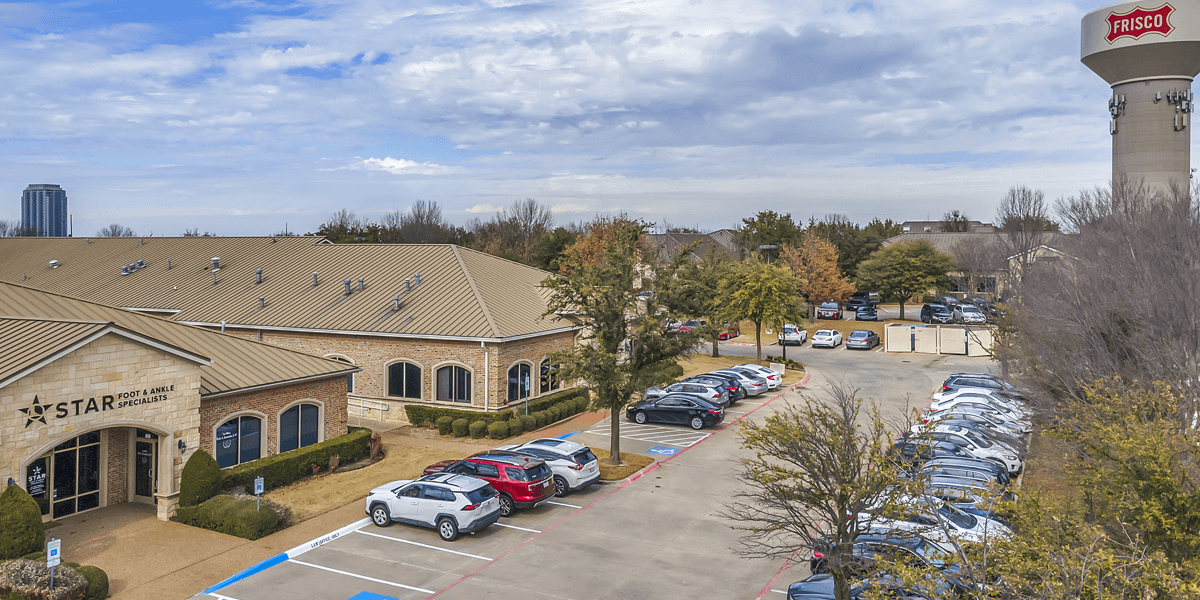
At Frisco Foot & Ankle Specialists, we provide comprehensive venous leg ulcer evaluation and treatment for patients in Frisco, TX, and throughout the Dallas–Fort Worth area, focusing on wound healing, circulation support, and long-term prevention.
A venous leg ulcer is an open wound that develops when veins in the legs fail to properly return blood back to the heart. This condition, known as chronic venous insufficiency, leads to increased pressure in the veins, fluid buildup, and breakdown of the skin.
Venous ulcers most commonly occur around the ankles and lower legs and can extend to the foot if left untreated.
Venous leg ulcers are often slow to heal because:
Poor circulation limits oxygen and nutrients to the tissue
Swelling places pressure on the skin
Inflammation weakens the surrounding tissue
Recurrent fluid buildup causes repeated skin breakdown
Without specialized treatment, venous ulcers often reopen even after initial healing.
Venous leg ulcers may develop due to:
Chronic venous insufficiency
Varicose veins
Prior blood clots
Leg swelling (edema)
Prolonged standing or sitting
Obesity
Advanced age
Previous leg injuries
Venous leg ulcers are often accompanied by:
Open sores near the ankle or lower leg
Swelling in the legs or feet
Skin discoloration (brown or purple)
Thickened or hardened skin
Drainage or weeping fluid
Itching or irritation
Aching or heaviness in the legs
Any non-healing wound on the leg or foot should be evaluated promptly.
Successful treatment of venous leg ulcers requires addressing both the wound and the underlying circulation problem.
Venous leg ulcer treatment may include:
Advanced wound care and monitoring
Debridement of non-viable tissue when appropriate
Specialized wound dressings
Compression therapy guidance
Swelling and edema management
Infection evaluation and treatment
Circulation assessment
Long-term prevention planning
Our goal is to heal the ulcer, reduce recurrence, and improve circulation to support long-term leg and foot health.
Delaying treatment for venous leg ulcers increases the risk of:
Chronic infection
Worsening swelling and skin damage
Recurrent ulceration
Reduced mobility
Long-term tissue damage
Early intervention improves healing time and helps prevent recurrence.
At Frisco Foot & Ankle Specialists, our podiatry team has extensive experience treating venous leg ulcers and circulation-related wounds. We provide compassionate, evidence-based care for patients in Frisco, TX, and across the Dallas–Fort Worth Metroplex.
If you have a chronic or recurring leg or foot wound, early evaluation is essential. Contact Frisco Foot & Ankle Specialists today to schedule an appointment and receive expert venous leg ulcer treatment.
What causes venous leg ulcers?
Venous leg ulcers are caused by poor blood flow in the veins, leading to fluid buildup, swelling, and breakdown of the skin.
How long do venous leg ulcers take to heal?
Healing time varies depending on circulation, swelling control, infection, and overall health. Early treatment improves outcomes.
Are venous leg ulcers painful?
Some patients experience aching, heaviness, or discomfort, especially with prolonged standing.
How are venous leg ulcers treated?
Treatment may include advanced wound care, debridement, compression therapy guidance, swelling management, and circulation assessment.
Can venous leg ulcers be prevented?
Many venous leg ulcers can be prevented with proper circulation management, compression when recommended, regular skin checks, and early treatment of swelling or skin changes.
Let’s talk (972) 559-0051
Hours Mon- Fri 9-5PM
**Closed daily for Lunch 1-2PM**
By clicking SUBMIT you consent to receiving SMS messages
Messages and Data rates may apply. Message frequency will vary
Reply Help to get more assistance
Reply Stop to Opt-out of messaging
 Call Now!