Flat Feet in Children and Adults: When Is Treatment Necessary?

Flat feet are very common in children — but not all flat feet need treatment. Here’s how to know the difference.
Flat feet — when the arch of the foot is low or absent — are extremely common. Many people with flat feet have no symptoms at all. But for others, flat feet contribute to foot pain, leg fatigue, knee problems, and difficulty with prolonged activity.
Flat Feet in Children
Nearly all infants are born with flat feet. Arches typically develop between ages 3 and 6. If a child still has significantly flat feet after age 6 — especially with complaints of foot pain, fatigue, or awkward gait — a podiatric evaluation is appropriate.
Signs to watch for in children:
- Complaints of foot or leg pain after activity
- Refusing to participate in sports or play
- Unusual shoe wear patterns
- An awkward or in-toeing gait
- One foot flatter than the other (asymmetry warrants prompt evaluation)
The good news: Most pediatric flat feet respond very well to supportive orthotics and do not require surgery.
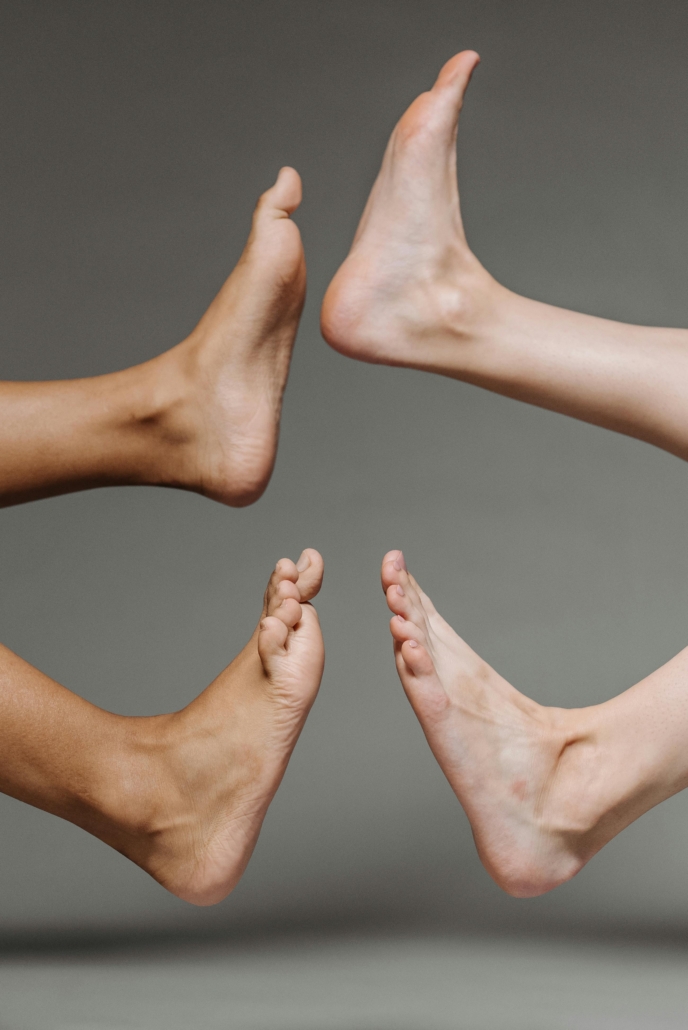
Not all flat feet are the same — an evaluation helps determine whether treatment is needed based on your foot type and symptoms.
Flat Feet in Adults
Adult-acquired flat foot (fallen arch) most commonly results from posterior tibial tendon dysfunction (PTTD) — a gradual failure of the tendon that supports the arch. It is more common in women and people over 40.
Symptoms include pain along the inner ankle and arch, swelling, difficulty standing on tiptoe, and progressive deformity of the foot. Early treatment is critical — advanced PTTD can lead to arthritis and may require surgical reconstruction.
Treatment Options
- Custom orthotics — the cornerstone of flat foot management; reduce pain and slow progression
- Supportive footwear — motion control shoes with firm heel counters
- Physical therapy — strengthening of the posterior tibial tendon and intrinsic foot muscles
- Bracing (AFO) — for more advanced tendon dysfunction
- Surgery — tendon repair, osteotomy, or fusion for advanced cases unresponsive to conservative care
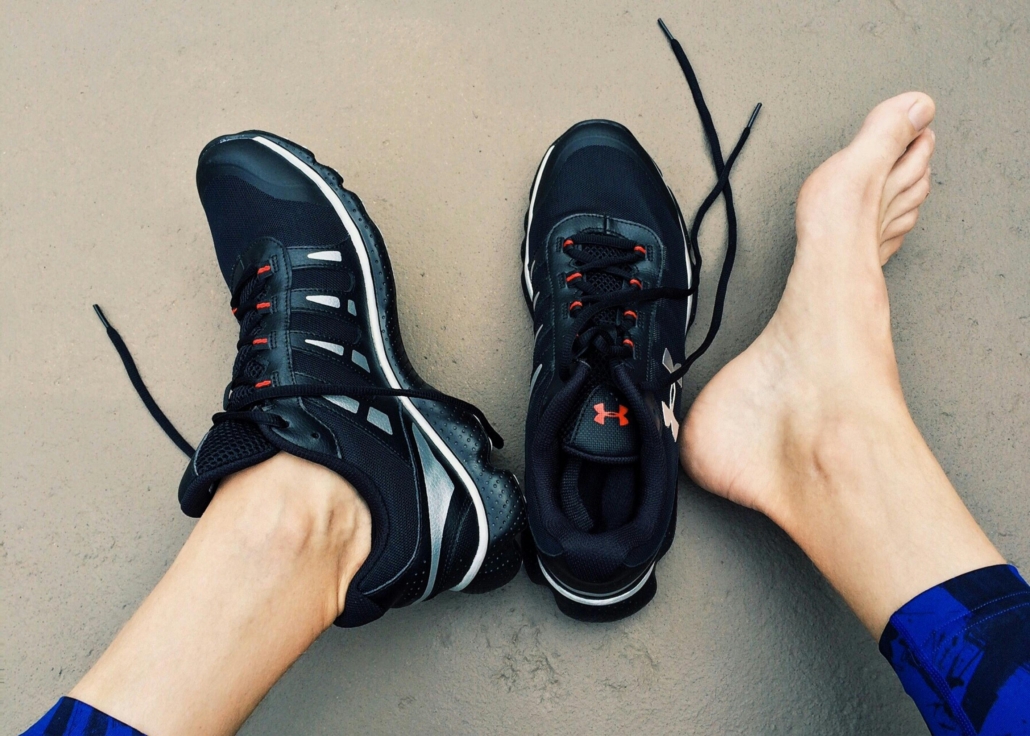
Custom orthotics are the most common and effective treatment for flat feet in both children and adults — no surgery required in the vast majority of cases.
Frequently Asked Questions
Q: Are flat feet a disability?
A: Flat feet themselves are not a disability, but symptomatic flat feet that limit function can be significantly disabling without proper treatment.
Q: Can flat feet be corrected in children?
A: Custom orthotics can support proper development and relieve symptoms. Most children do not need surgery.
Q: Do I need orthotics if my flat feet don’t hurt?
A: Not necessarily. Asymptomatic flat feet in adults often require no treatment. An evaluation can determine if preventive care is appropriate given your activity level and foot structure.
Frisco Foot & Ankle Specialists offers prompt appointments for acute injuries. Call (972) 559-0051.




Leave a Reply
Want to join the discussion?Feel free to contribute!