
Turkey Trot Foot Prep: How Frisco Runners Can Avoid Blisters, Overuse Pain, and Race-Week Setbacks
Turkey trots are a North Texas holiday tradition—and a common time for blisters, hot spots, and overuse pain to show up. Whether you are running your first 5K in Frisco or sharpening a longer holiday race, a short prep plan can keep race week from turning into a setback.

This article is general education for active adults, not a personal diagnosis or training prescription. If pain is sharp, worsening, or changing how you walk, pause training and get evaluated.
Turkey trot foot pain prevention Frisco runners can start now
Most race-week foot problems come from a few familiar triggers: shoes that are too new or too worn, socks that trap moisture, sudden jumps in mileage, and ignoring early “hot spots.” Addressing those early is usually more effective than pushing through pain on race morning.
Choose race shoes and socks that earn their miles
Shoes: fit first, then familiarity
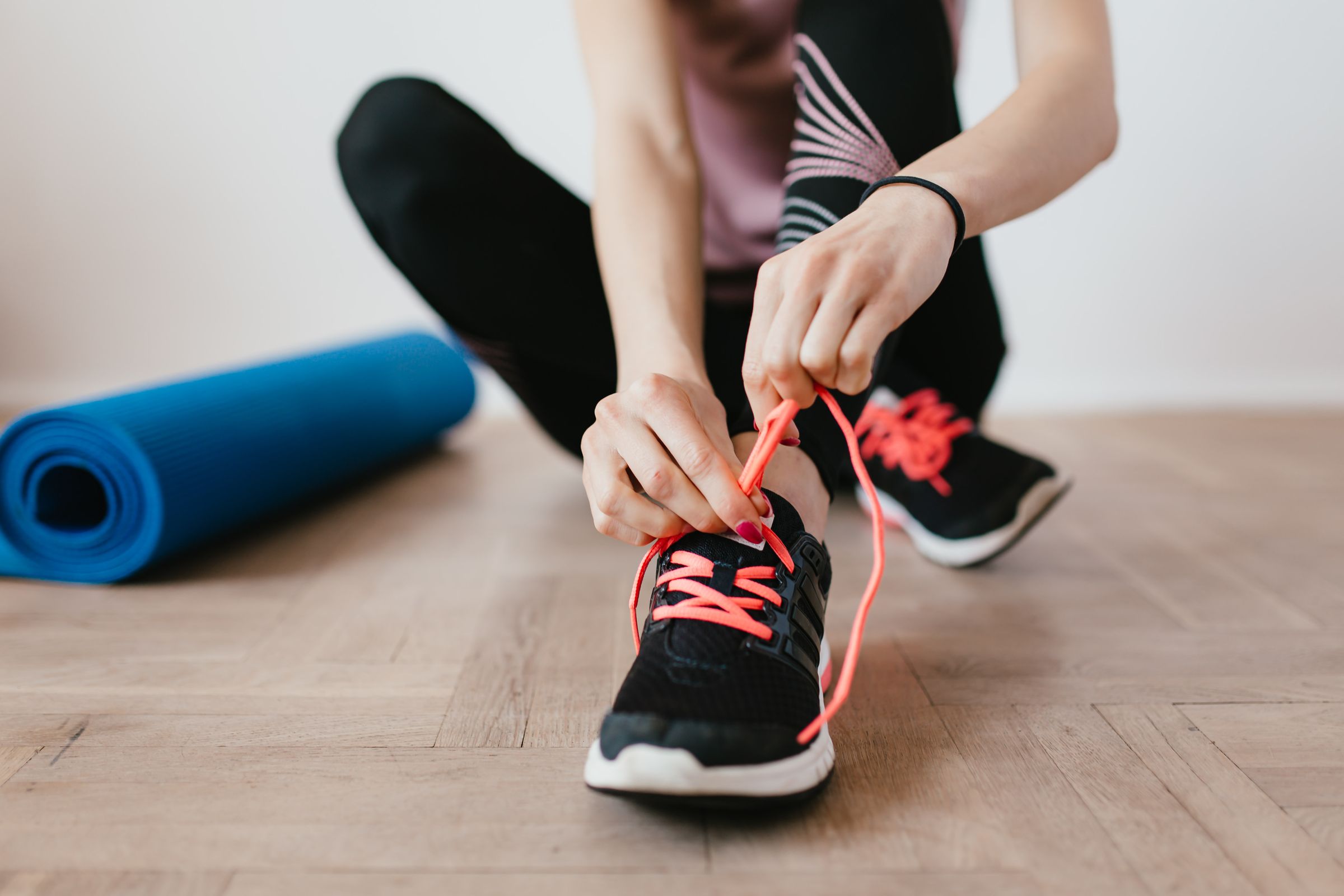
- Race in shoes you have already trained in. Brand-new race-day shoes are a classic blister and hot-spot risk.
- Fit for your larger foot, with the sock thickness you plan to race in. Athletic shoe sizes vary by brand—comfort on the first try matters more than the number on the box. The American Podiatric Medical Association emphasizes proper fit and replacing worn running shoes roughly every 300–400 miles.
- Check tread and midsole cushioning. Uneven wear or a “flat” feel is a cue to retire the pair before race week if you can.
- Inspect insides for seams, stitching, or rough spots that rub the same place every stride.
Socks: manage moisture and friction
- Prefer moisture-wicking athletic socks over cotton, which stays wet and increases friction.
- Choose a snug, wrinkle-free fit with flat seams. Loose socks bunch; overly tight socks create pressure points.
- If you blister often, try a double-layer sock or a design with extra cushioning at the heel and forefoot—then test it on a training run first.
Sports-medicine podiatry groups consistently list smart shoe and sock choices among the most practical ways to reduce common running foot injuries such as blisters and overuse irritation (AAPSM / APMA running tips).
Blister prevention before race week peaks
- Identify hot spots early (toes, heel, ball of the foot) during training and address friction with sock, lacing, or shoe changes—not last-minute experiments.
- Keep skin healthy: stay hydrated and avoid race-week pedicures that leave soft, fragile skin.
- If a blister forms before race day, protect it; do not routinely lance intact blisters, especially if you have diabetes, poor circulation, or a weakened immune system. Seek care if redness, drainage, odor, or spreading pain develops.
Training load: avoid the race-week spike
Overuse pain often follows a sudden jump in distance, hills, speed work, or back-to-back hard days. In the final 7–10 days:
- Keep volume modest and prioritize sleep, nutrition, and easy movement.
- Warm up and gently stretch calves and lower legs before harder efforts; cool down afterward.
- Do not “test” a brand-new long route or shoe model the day before the race.
- Stop if pain forces a limp or changes your stride. Compensating can overload other joints.
Common race-week warning signs
Rest, ice, and reducing impact can help mild muscle soreness. See a podiatrist sooner if you notice:
- Pain that lasts more than a few days or returns as soon as you resume running
- Swelling, bruising, or pinpoint bone pain that worsens with every step
- Numbness, tingling, or burning that is new or progressive
- An open blister with signs of infection
- Inability to push off, hop, or walk normally
When in doubt, an early evaluation beats finishing one race and missing the next month of training. For timing cues that apply beyond runners, read 5 signs you should see a podiatrist.
Race-morning quick checklist
- Broken-in shoes and tested socks packed the night before
- Nails trimmed short enough to avoid toe-box pressure
- A short warm-up walk/jog before the start
- Permission to slow down or stop if something sharp or unusual starts
Local care if something still hurts after the finish
Frisco Foot & Ankle Specialists helps runners and walkers from Frisco, Prosper, Celina, McKinney, and Plano with activity-related foot and ankle concerns. Dr. Gary Heredia, DPM, and Dr. Morgan Kaplan, DPM, and the team focus on clear exams and practical next steps so you can return to training safely. Visit us at 3550 Parkwood Blvd Suite 702, Frisco, TX 75034, call (972) 559-0051, or request an appointment.
Enjoy the turkey trot community spirit—and give your feet the same prep you give your playlist and race bib.





Leave a Reply
Want to join the discussion?Feel free to contribute!