
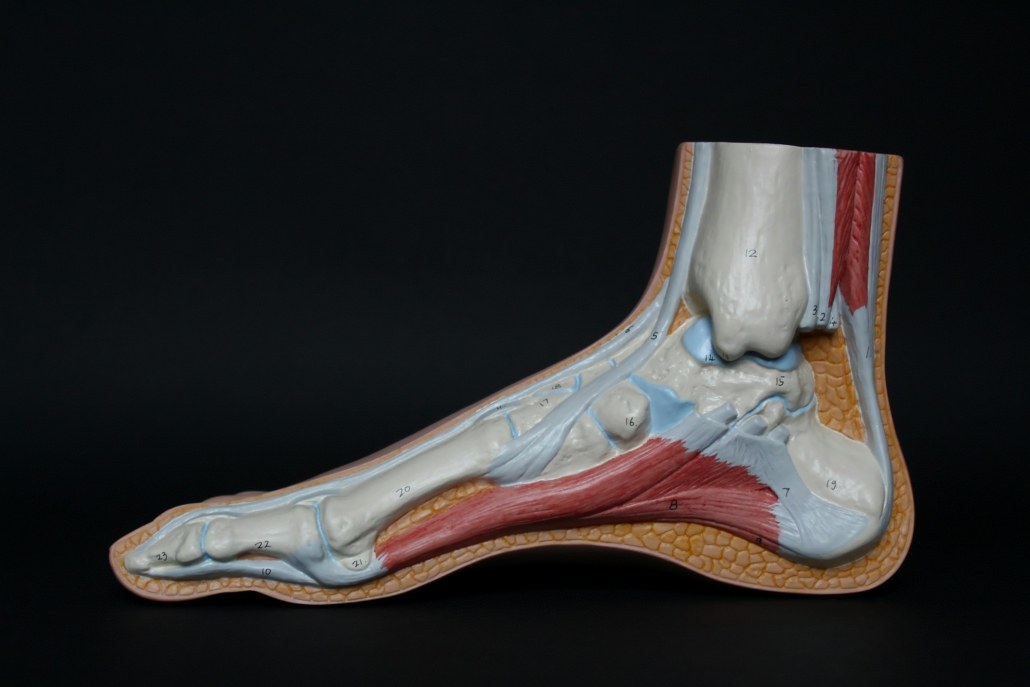
Minimally Invasive Bunion Surgery in Frisco: What Patients Should Know Before Deciding
A bunion is more than a bump. It is a progressive misalignment of the big-toe joint (hallux valgus) that can make shoes painful, change how you walk, and limit everyday activity. Conservative care helps many people—but when pain persists, surgery may enter the conversation.

This article explains what minimally invasive bunion surgery in Frisco generally means, how it compares with other approaches offered at Frisco Foot & Ankle Specialists, and the questions worth asking before you decide. It is educational information only—not a surgical recommendation for any individual.

What Is a Bunion—and When Is Surgery Considered?
Bunions develop when the bones of the big-toe joint shift out of alignment. Contributing factors can include inherited foot structure, shoes that crowd the toes, and conditions that affect the joints. Over time, the bump can enlarge, the big toe may drift toward the lesser toes, and joint motion can stiffen.
According to the American Academy of Orthopaedic Surgeons (AAOS), surgery is generally considered for painful bunions that limit walking or reasonable footwear—not for appearance alone, and not solely to “prevent” a bunion from getting larger. Non-surgical care (wider shoes, padding, activity changes, and other measures) is usually tried first.
At Frisco Foot & Ankle Specialists, bunion evaluation typically includes a physical and biomechanical exam plus radiographs to understand the underlying deformity before a plan is chosen.
What “Minimally Invasive” Bunion Surgery Means
In minimally invasive (MIS) bunion procedures, the surgeon works through very small incisions using specialized instruments, often with X-ray guidance, to cut and realign bone and place fixation (such as screws) through tiny portals. The American Orthopaedic Foot & Ankle Society’s patient resource FootCareMD notes that MIS approaches may offer smaller scars, less soft-tissue disruption, and potentially faster early recovery compared with traditional open techniques—while still requiring surgeons with specific training for the method.
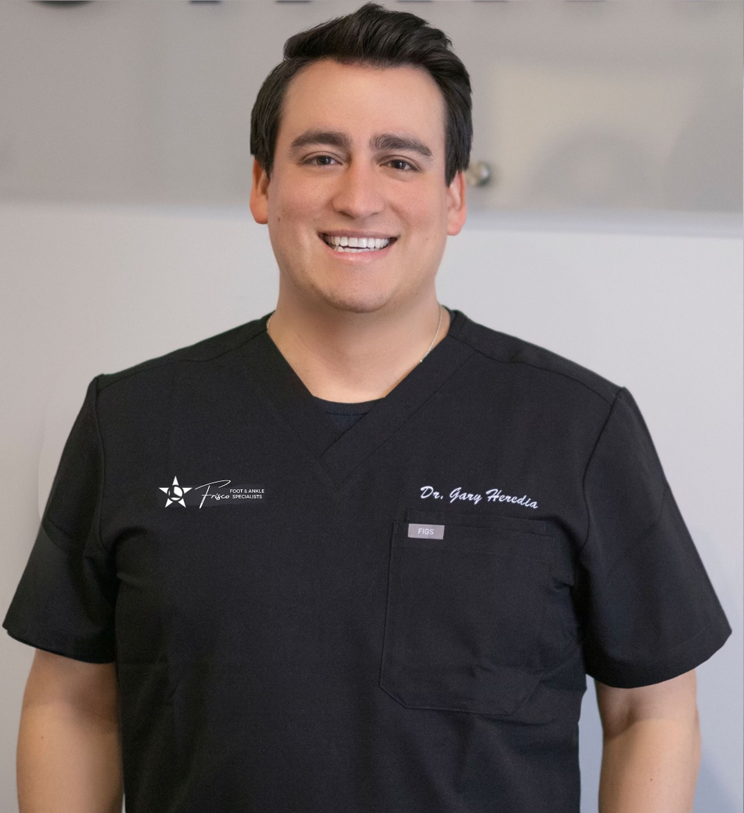
On the practice’s minimally invasive bunion surgery page, Dr. Gary Heredia, DPM & Dr. Morgan Kaplan, DPM, describe correcting deformities through very small incisions, with the goal of earlier mobility and less soft-tissue trauma than larger open approaches. Individual recovery still depends on the exact procedure, bone healing, and how closely post-op instructions are followed.
How MIS Fits With Other Surgical Options
Not every bunion is treated the same way. Procedure choice depends on severity, joint arthritis, soft-tissue balance, activity level, and imaging findings. Related options patients may hear about at this practice include:
- Conservative care first — wider shoes, silicone shields or padding, orthotics, anti-inflammatory measures, and, when appropriate, injection therapy to calm inflammation (bunion treatment overview)
- Minimally invasive osteotomy-based correction — small-incision bone realignment with internal fixation when that pattern fits your deformity
- Lapiplasty® / 3D correction approaches — considered for moderate-to-severe bunions with first-ray hypermobility, as described on the practice’s Lapiplasty bunion repair page
- Other traditional or fusion procedures — sometimes needed when arthritis or prior surgery changes the best path (AAOS reviews osteotomy, soft-tissue balancing, and fusion concepts in detail)
There is no single “best” operation for every foot. A candid discussion of goals, risks, and realistic shoe expectations matters more than a procedure name.
Recovery Expectations (Without Hype)
AAOS emphasizes that even same-day bunion surgery often involves a meaningful recovery: dressing care, elevation, activity limits, and follow-up over months. Full recovery commonly takes months—sometimes up to about six months—depending on the technique and healing. Swelling can linger longer than patients expect.
MIS techniques aim to reduce incision size and soft-tissue trauma, and some patients may be allowed protected weightbearing earlier than with certain open procedures. Weightbearing rules are procedure-specific. Putting weight on the foot too soon—or without the recommended surgical shoe or support—can shift the correction. Always follow the written plan your surgeon gives you.
Possible risks of bunion surgery in general include infection, nerve irritation, stiffness, incomplete bone healing, ongoing pain, and recurrence. Your surgeon should review these with you before you consent.
Questions Worth Asking Before You Decide
- Based on my X-rays and exam, which procedure—and why?
- What are realistic goals for pain, activity, and shoe wear?
- What does the first two weeks look like for dressing care and walking?
- When can I drive, return to work, and resume exercise?
- What are the most common complications for my recommended procedure?
- How will you decide between MIS, Lapiplasty-style correction, or another approach?
Serving Frisco and Nearby Communities
At Frisco Foot & Ankle Specialists, Dr. Gary Heredia, DPM & Dr. Morgan Kaplan, DPM, evaluate bunions for patients from Frisco, Prosper, Celina, McKinney, and Plano at 3550 Parkwood Blvd Suite 702, Frisco, TX 75034. Call (972) 559-0051 or request an appointment to discuss whether conservative care or a surgical consultation is the right next step.
This article is for general education and does not replace an in-person evaluation or surgical consent discussion.
Helpful sources: AAOS OrthoInfo — Bunion Surgery; FootCareMD — Minimally Invasive Surgery; ACFAS — Bunion Deformity.





Leave a Reply
Want to join the discussion?Feel free to contribute!